
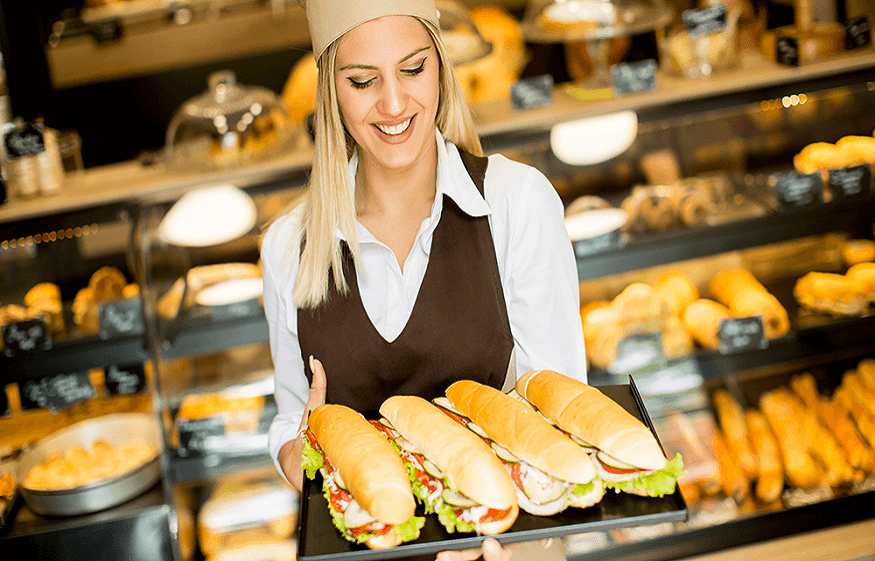
Embarking on the path of sub sandwich franchise opportunities is less about a single decision and more about a strategic journey that unfolds in distinct stages. From the initial spark of interest to the long-term operation of a successful establishment, each phase presents unique considerations and potential for growth. Understanding this progression can help aspiring entrepreneurs better prepare for the commitments and rewards involved in building a business within the popular sub sandwich market.
Getting Started: The Initial Exploration of Sub Franchising
The early stage of exploring sub franchising typically begins with extensive research and self-assessment. Prospective franchisees often start by identifying their personal interests and business goals. This involves considering what type of food service operation aligns with their vision and resources. The allure of a sub sandwich concept can be particularly strong, given the consistent demand for quick, customizable meal options.
Read More : Affordable Asphalt Paving Utah Solutions for Residential Driveways
During this phase, individuals commonly delve into understanding the franchise model itself. They investigate various sub sandwich franchise opportunities, comparing different brands, their market presence, operational requirements, and the level of support they offer. This initial exploration might involve attending informational webinars, reviewing franchise disclosure documents (FDDs) from different systems, and speaking with existing franchisees where possible. A critical part of this stage is assessing one’s financial capacity, as securing the necessary investment is a fundamental requirement for moving forward. This initial research helps to clarify the scope of the undertaking and allows potential franchisees to identify systems that might be a good fit for their entrepreneurial ambitions.
As the Business Takes Shape: Development and Opening Phases
Once a specific sub sandwich franchise is chosen and the agreements are in place, the journey moves into a more structured development phase. This period typically involves site selection, which is a crucial element for any retail food business. Factors such as foot traffic, visibility, accessibility, and local demographics often play a significant role in determining a suitable location. Franchise systems commonly provide guidance and support in this area, leveraging their experience to help identify prime sites.
Following site selection, the focus often shifts to the build-out or renovation of the chosen space. This can include designing the layout, installing kitchen equipment, setting up dining areas, and ensuring compliance with local health and safety regulations, as well as the franchisor’s specific brand standards. Concurrently, new franchisees begin the process of hiring and training their initial team. Comprehensive training programs from the franchisor are generally provided to ensure consistency in product preparation, customer service, and operational procedures. The culmination of this phase is the grand opening, a pivotal moment that marks the transition from development to active operation. This period is often intense, requiring significant dedication to launch the business effectively and establish its presence in the local market.
Sustaining Momentum: Day-to-Day Operations and Early Growth
With the doors open, the focus shifts to the daily management of the sub sandwich franchise. This involves overseeing inventory, managing staff, maintaining quality control, and engaging with customers. The initial months of operation are often a time of learning and adjustment, as the franchisee and their team refine processes and adapt to the flow of business. Effective customer service and consistent product quality are generally paramount during this stage, as they contribute significantly to building a loyal customer base.
Marketing and local promotion also become important elements in sustaining momentum. Franchisees typically implement local marketing strategies that complement national or regional campaigns, aiming to draw in new customers and encourage repeat business. This might include community involvement, local advertising, or special promotions. Regularly analyzing sales data and customer feedback can provide valuable insights, helping the franchisee to identify popular menu items, optimize staffing, and pinpoint areas for improvement. Early growth often comes from building a strong reputation within the community and consistently delivering a positive experience, which can lead to increased sales and profitability over time.
Looking Ahead: Long-Term Management and Potential Expansion
The longer-term perspective of operating a sub sandwich franchise involves ongoing strategic management and consideration of future growth. Successful franchisees often look for ways to enhance efficiency, reduce costs, and increase revenue. This can include exploring new technologies, refining supply chain management, or implementing loyalty programs. Maintaining strong relationships with the franchisor and staying updated on new menu offerings, operational best practices, and marketing initiatives are generally key to long-term success.
For those who demonstrate consistent performance and meet specific criteria, the opportunity to expand and potentially acquire additional sub sandwich franchise opportunities may arise. This can involve opening new locations or even purchasing existing franchises. Expanding requires careful planning, a deep understanding of the market, and a proven track record of managing a successful unit. It represents a significant step that can further leverage the benefits of the franchise model, potentially leading to increased financial returns and a stronger presence in the market. The long-term journey of sub franchising is dynamic, requiring adaptability and a continuous commitment to operational excellence and customer satisfaction.
Read More : How Rear Loader Trucks Improve Waste Management
The landscape of sub sandwich franchise opportunities offers a structured yet evolving path for entrepreneurs. From the careful initial selection to the bustling energy of daily operations and the strategic considerations of long-term growth, each stage builds upon the last. Success in this venture often comes down to a blend of thorough preparation, diligent execution, and an unwavering focus on the customer experience, all within the established framework of a recognized brand.