
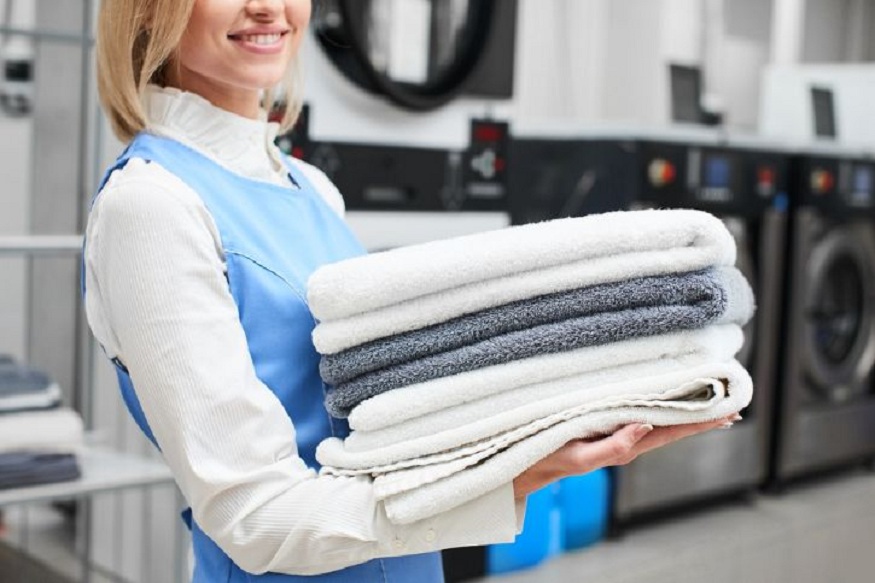
In the fast-paced world of food service, the focus is often placed on the quality of ingredients and the cleanliness of the prep surfaces. However, an equally critical component of food safety sits right on the shoulders of the staff. Chef coats, aprons, and server uniforms are high-touch surfaces that act as magnets for bacteria, food particles, and allergens. While it may be tempting to allow employees to launder their own gear at home, this practice introduces a significant gap in a restaurant’s sanitation protocol. Professional laundry service for food service uniforms provide a level of clinical cleanliness and consistency that home machines simply cannot replicate, making them a vital partner in maintaining a hygienic dining environment.
The Science of Thermal Disinfection and Chemical Precision
The primary limitation of residential laundry is the temperature and chemical control. Most home water heaters are capped at temperatures designed for safety rather than sterilization. In contrast, professional laundry facilities utilize industrial-grade machines capable of reaching much higher temperatures that are necessary for thermal disinfection. This heat is essential for killing stubborn pathogens like E. coli, Salmonella, and Listeria, which can survive on fabric fibers even after a standard warm-water wash.
Beyond heat, professional services use precise chemical injection systems. These systems balance detergents, bleaches, and sanitizers based on the specific fabric type and the level of soilage. This ensures that grease and organic proteins are fully broken down and rinsed away. At home, a dash of standard detergent might make a shirt look white, but it often leaves behind microscopic food residues that can cross-contaminate a kitchen the next time the garment is worn.
Preventing Cross-Contamination from Home Environments
When staff members wash their uniforms at home, they are inadvertently mixing their professional environment with their personal one. Domestic laundry often involves pet dander, hair, and household allergens. Furthermore, transporting a soiled uniform in a personal vehicle and then bringing it back into a commercial kitchen creates multiple opportunities for environmental pathogens to hitch a ride.
A professional service creates a closed-loop system of hygiene. Soiled uniforms are collected in specialized containers and transported to a controlled facility where they are processed in an environment dedicated to sanitation. This “soil-to-clean” segregation ensures that the gear being worn near the food has never come into contact with the common bacteria found in a residential household. This level of control is a powerful defense against foodborne illness outbreaks that could otherwise damage a business’s reputation.
Uniform Longevity and Professional Appearance
Hygiene is the priority, but the aesthetic impact of professional laundering also contributes to a brand’s authority. High-volume food service is tough on fabrics, and the frequent use of harsh home detergents can quickly degrade the fibers of an apron or coat. Professional services use specialized formulations that remove tough stains without destroying the integrity of the fabric. This keeps the team looking sharp and well-presented.
Read More:
Furthermore, professional pressing and folding ensure that uniforms are crisp and free of wrinkles. A clean, well-pressed uniform sends a psychological signal to both the staff and the customers that the establishment takes its standards seriously. It fosters a culture of discipline and respect for the culinary craft, ensuring that the visual representation of the restaurant matches the high quality of the food being served.
Conclusion
A restaurant’s commitment to safety is only as strong as its weakest link, and home-laundered uniforms are frequently that overlooked vulnerability. By partnering with a professional laundry service, food service operators can guarantee a standardized level of hygiene that protects their customers and their staff. From the precision of industrial heat to the prevention of household cross-contamination, the benefits far outweigh the convenience of DIY washing. In an industry where trust is everything, investing in professional uniform care is an essential step in proving that cleanliness is practiced in every corner of the business.