Efficient waste management is essential for maintaining public health, environmental safety, and urban cleanliness. Rear loader trucks play a significant role in improving waste management systems across residential, commercial, and industrial sectors. Their practical design, operational flexibility, and cost efficiency make them a reliable solution for waste collection in many regions around the world.
Efficient Waste Collection Process
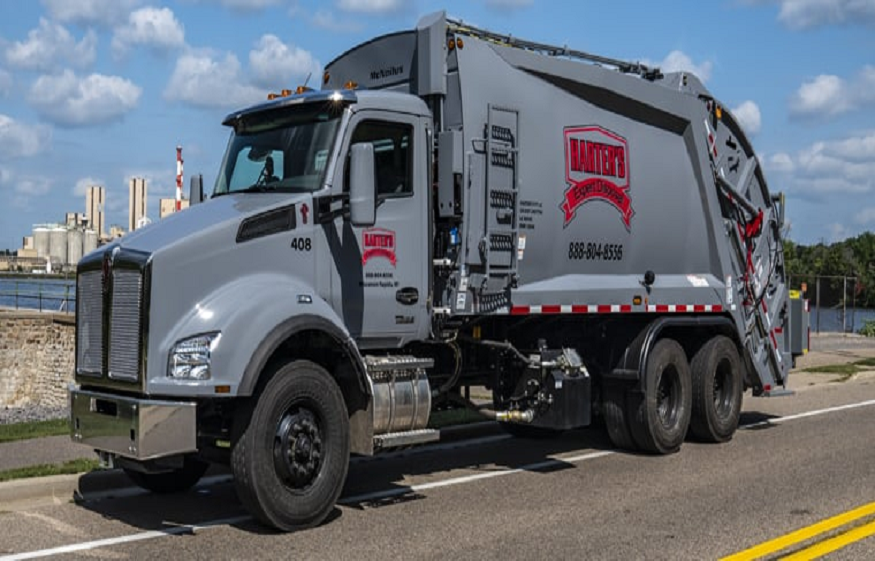
Rear loader trucks improve waste management by enabling a smooth and efficient collection process. Waste is loaded from the rear into a hopper, where a hydraulic compaction system compresses it into the truck body. This process allows operators to collect large volumes of waste during a single route, reducing collection time and increasing daily productivity.
Read More : What Borrowers Should Look for Before Accepting a Personal Credit Offer
Better Handling of Mixed Waste
One of the key ways rear loader trucks enhance waste management is through their ability to handle mixed and irregular waste. These trucks can collect bagged waste, loose materials, and bulky items without the need for specialized containers. This flexibility makes them especially effective in areas where waste sorting systems are not standardized or where waste types vary from one location to another.
Reduced Operational Costs
Rear loader trucks help reduce overall waste management costs. Their simple mechanical design requires less complex maintenance compared to automated systems. Lower repair costs, combined with efficient compaction that reduces landfill trips, help municipalities and private operators manage budgets more effectively while maintaining reliable service.
Improved Route Efficiency
By compacting waste efficiently, rear loader trucks can travel longer routes before reaching full capacity. This improves route planning and reduces the number of disposal trips required each day. Fewer trips lead to lower fuel consumption, reduced vehicle wear, and improved scheduling efficiency for waste collection teams.
Enhanced Worker Control and Precision
Rear loader trucks allow waste collection workers to maintain direct control over the loading process. This hands-on approach improves accuracy and reduces spillage during collection. In areas with narrow streets, parked vehicles, or uneven surfaces, manual control helps operators adapt quickly to challenging conditions, improving overall service quality.
Increased Safety in Collection Areas
Modern rear loader trucks are designed with safety in mind. Features such as rear-view cameras, warning alarms, emergency stop controls, and improved lighting help protect workers and pedestrians. Safer working conditions reduce accidents and downtime, contributing to more consistent and dependable waste management operations.
Support for Urban and Rural Communities
Rear loader trucks are suitable for both urban and rural waste management systems. Their compact design allows easy navigation in crowded city streets, while their durable construction supports longer routes in rural areas. This adaptability ensures consistent waste collection across different geographic and population conditions.
Environmental Benefits Through Reduced Emissions
Rear loader trucks improve environmental performance by reducing fuel consumption through efficient compaction and optimized routing. Fewer trips to landfills or transfer stations result in lower greenhouse gas emissions. Many rear loader models also support alternative fuels such as CNG or hybrid systems, further reducing environmental impact.
Reliable Performance and Long Service Life
A reliable waste management system depends on durable equipment. Rear loader trucks are built for heavy-duty use and long-term performance. Their strong chassis, dependable hydraulic systems, and ease of maintenance ensure consistent operation over many years, minimizing service disruptions.
Read More : Credit on Command: The Lifestyle Impact of Always-On Lending
Contribution to Cleaner and Healthier Communities
By ensuring timely and efficient waste collection, rear loader trucks help maintain cleaner streets and healthier living environments. Reduced waste accumulation prevents the spread of disease, controls odors, and enhances the overall quality of life for residents and businesses.