Many businesses do not struggle because they lack potential. They struggle because growth often demands money before revenue catches up.
A manufacturer may need funds to purchase inventory before peak season. A retailer may want to expand into a second location. A business owner may have large receivables stuck with clients while operational expenses continue rising every month.
In these situations, business owners usually face a difficult choice: slow down expansion plans or arrange funding quickly without disturbing daily operations too aggressively.
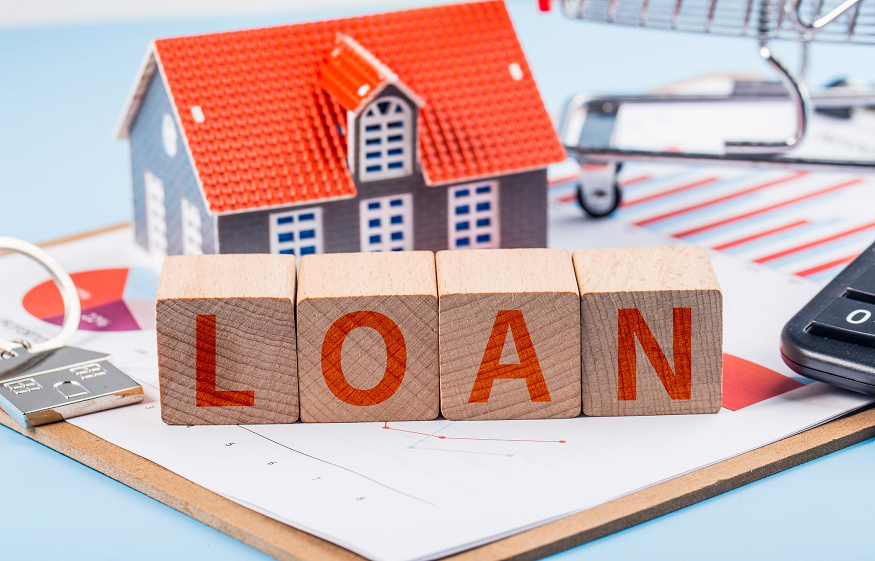
This is where a loan against property becomes useful for many businesses, especially those looking for larger funding with more repayment flexibility.
1. It Helps Businesses Access Larger Funding Amounts
One major advantage of a loan against property is that the funding amount is often significantly higher compared to unsecured borrowing options.
For business owners, this becomes practical when expenses involve:
- Business expansion
- Machinery purchases
- Inventory stocking
- Working capital support
- Office renovation or relocation
Because the loan is backed by property, loan providers are usually able to offer higher loan amounts. That gives businesses access to capital that may otherwise be difficult to arrange quickly through smaller short-term funding options.
2. It Reduces Pressure on Monthly Cash Flow
Cash flow stability matters more to businesses than most people realise.
Even profitable businesses can face temporary financial pressure if large repayments start affecting operational expenses every month. One reason many business owners prefer property-backed borrowing is that repayment structures are often more manageable because of longer tenures.
This helps reduce the monthly EMI burden compared to high-pressure short-term borrowing. Business owners can continue managing:
- Salaries
- Vendor payments
- Inventory cycles
- Operational costs
without placing excessive pressure on monthly liquidity.
Read More: Credit on Command: The Lifestyle Impact of Always-On Lending
3. It Allows Businesses to Use Existing Assets More Strategically
A lot of business owners own commercial or residential property that remains financially inactive for years.
A loan against property allows them to use that asset productively without selling it outright. Instead of liquidating long-term property holdings during temporary business funding requirements, owners can unlock liquidity while still retaining ownership of the asset.
This becomes especially valuable during:
- Business expansion periods
- Temporary cash flow disruptions
- Large operational investments
- Seasonal growth opportunities
For many businesses, this creates a more balanced approach between asset ownership and business liquidity.
4. It Can Support Business Stability During Slow Periods
Every business experiences periods where revenue timing becomes unpredictable.
Client payments may get delayed. Seasonal demand may temporarily slow down. Operational expenses may continue even when incoming cash flow becomes inconsistent.
In such situations, structured borrowing helps businesses maintain continuity without making rushed financial decisions. Many owners prefer longer-term secured funding because it creates more breathing room compared to repeatedly depending on smaller emergency borrowing cycles.
This becomes particularly important for businesses where operational interruptions directly affect customer relationships or supplier trust.
5. It Gives Business Owners More Flexibility in Fund Usage
Unlike highly restricted funding structures, businesses often use property-backed loans across multiple operational requirements.
That flexibility matters because business challenges rarely appear in one isolated area.
For example, the same business may simultaneously need funds for:
- Inventory purchases
- Marketing campaigns
- Equipment upgrades
- Employee hiring
- Cash flow support
A structured borrowing option allows owners to allocate funds where the business needs them most rather than adjusting operations around rigid funding conditions.
Read More: What Borrowers Should Look for Before Accepting a Personal Credit Offer
6. Digital Lending Has Made the Process Faster Than Before
Many business owners still assume property-backed borrowing automatically means extremely lengthy processing.
That has changed significantly in recent years.
Several lenders now use digital onboarding systems where document uploads, eligibility checks, and application tracking happen online. While property verification still remains part of the process, technology has reduced many traditional delays.
Some borrowers initially explore options through an instant loan app because digital platforms now simplify early-stage comparison and application processes before full verification begins.
This convenience helps business owners save time while already managing daily operational responsibilities.
7. It Helps Businesses Avoid Disturbing Long-Term Investments
One common mistake during business funding pressure is liquidating valuable long-term assets too quickly.
Business owners sometimes:
- Break fixed deposits
- Sell investments
- Withdraw emergency reserves
- Delay strategic expansion
simply because liquidity becomes temporarily tight.
Structured borrowing against property often allows businesses to preserve those long-term assets while solving immediate operational funding requirements more efficiently.
8. Choosing the Right Lending Structure Matters More Than Fast Approval
Many borrowers focus entirely on approval speed during business funding requirements.
But for larger secured borrowing, repayment comfort matters much more over time. An experienced borrower usually spends more time evaluating:
- Repayment flexibility
- Total borrowing cost
- Tenure options
- Prepayment conditions
- Operational cash flow impact
This is why selecting the best loan provider often depends less on marketing claims and more on how transparently the lender handles long-term repayment structure.
Final Thoughts
Business growth rarely happens in perfectly stable financial conditions. Most businesses require timely funding at critical moments to maintain momentum, manage expansion, or stabilise operations during slower periods.
A loan against property becomes valuable because it gives business owners access to larger funding while preserving operational flexibility and long-term asset ownership.
The key isn’t simply borrowing against property. It is using that funding strategically in ways that strengthen business stability instead of creating unnecessary financial pressure later.