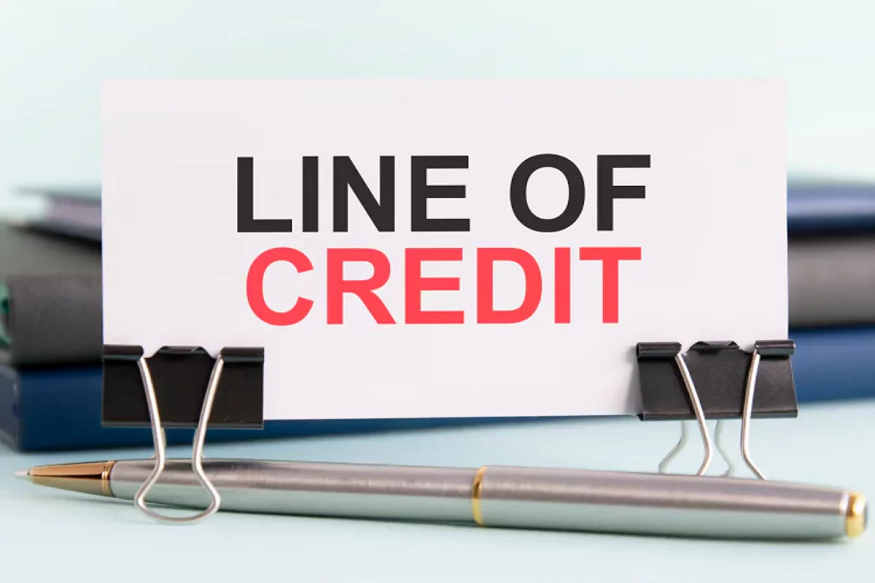
Lines of credit have become one of the most versatile financing options for individuals and businesses that need ongoing access to funds without committing to a fixed loan amount. Unlike traditional loans that provide a lump sum upfront, lines of credit allow borrowers to withdraw money as needed, repay it, and borrow again within an approved limit. This flexibility makes lines of credit especially useful for managing cash flow, handling unexpected expenses, or funding short-term opportunities.
In today’s fast-moving financial environment, having access to a reliable line of credit can offer stability, control, and peace of mind when expenses fluctuate or income timing is unpredictable.
What Are Lines of Credit?
A line of credit is a revolving credit account approved by a lender for a maximum borrowing limit. Borrowers can draw funds up to that limit, pay interest only on the amount used, and reuse the credit as repayments are made.
Unlike installment loans, which follow a fixed repayment schedule, lines of credit are designed for ongoing use. This makes them ideal for borrowers who need flexibility rather than a one-time infusion of cash.
Read More : Modelling SNB Policy Shifts, Yield Curve Movements, and Cross-Currency Impact
Common characteristics of lines of credit include variable interest rates, minimum monthly payments, and access periods that may renew annually based on creditworthiness.
Types of Lines of Credit
Understanding the different types of lines of credit helps borrowers choose the option that best fits their needs.
Personal Lines of Credit
These are typically unsecured and based on personal credit history and income. They are often used for emergency expenses, home improvements, or consolidating short-term debt.
Business Lines of Credit
Designed for companies of all sizes, business lines of credit help manage operational expenses such as payroll, inventory, marketing, or seasonal slowdowns. They can be secured or unsecured depending on the lender and business profile.
Home Equity Lines of Credit (HELOCs)
A HELOC uses home equity as collateral and usually offers lower interest rates. It is commonly used for major expenses like renovations, education, or long-term financial planning.
Secured Lines of Credit
These require collateral such as savings accounts, property, or inventory. Because the lender’s risk is lower, secured lines often come with better rates and higher limits.
How Lines of Credit Work
Once approved, the borrower can access funds through checks, transfers, or a linked card. Interest accrues only on the amount drawn, not the full credit limit. As payments are made, the available credit increases again.
Most lines of credit require minimum monthly payments that include interest and sometimes a portion of the principal. Failing to meet payment obligations can result in penalties, higher interest rates, or reduced access to funds.
Benefits of Using Lines of Credit
Lines of credit offer several advantages that make them attractive compared to traditional loans.
They provide flexibility by allowing borrowers to access funds only when needed.
They help smooth cash flow gaps without requiring repeated loan applications.
They reduce interest costs since interest is charged only on the amount used.
They offer quick access to funds for emergencies or time-sensitive opportunities.
For businesses in particular, lines of credit act as a financial safety net during slow periods or unexpected operational costs.
Potential Drawbacks to Consider
While lines of credit are powerful financial tools, they are not without risks.
Variable interest rates can increase borrowing costs over time.
Easy access to funds may encourage overspending.
Some lenders charge annual fees or inactivity fees.
Credit limits can be reduced or revoked if financial conditions change.
Responsible usage and careful financial planning are essential to avoid turning flexible credit into long-term debt.
Who Should Consider a Line of Credit?
Lines of credit are well suited for individuals with fluctuating expenses, entrepreneurs managing cash flow cycles, and businesses that face seasonal revenue changes.
They are also ideal for borrowers who prefer having access to funds without committing to a fixed loan amount. However, they are best used by those with disciplined spending habits and a clear repayment strategy.
How to Qualify for Lines of Credit
Lenders evaluate several factors before approving a line of credit. These include credit score, income or business revenue, debt-to-income ratio, and overall financial stability.
Businesses may also need to provide financial statements, bank records, and operational history. Strong credit profiles typically receive higher limits and more favorable interest rates.
Best Practices for Managing Lines of Credit
To make the most of a line of credit, borrowers should treat it as a financial tool rather than free money. Using it strategically for short-term needs, paying more than the minimum when possible, and monitoring interest rates can prevent unnecessary debt accumulation.
Keeping utilization low and making timely payments also helps strengthen credit profiles over time.
Final Thoughts
Lines of credit offer a powerful combination of flexibility, control, and convenience for both individuals and businesses. When used responsibly, they can support cash flow, reduce financial stress, and provide quick access to capital when it matters most.
Read More : Who Owns the Most Bitcoin in the World Today
Choosing the right type of line of credit and managing it wisely can turn it into a long-term financial asset rather than a liability.