The financial landscape has changed significantly over the last decade. Accessing extra funds is no longer a process that requires multiple visits to a physical office or weeks of waiting for a decision. Today, credit is often just a few taps away, making it easier than ever to manage unexpected expenses or fund major life goals.
However, this ease of access brings a new set of responsibilities for the borrower. When a credit offer appears on your screen, it can be tempting to click accept immediately. Taking a moment to evaluate the details can save you from significant financial stress in the future. Understanding what lies beneath the surface of a shiny offer is the key to maintaining long term financial health.
Understanding the True Cost of Borrowing
The first thing most people look at is the interest rate. While this is a critical component, it does not tell the whole story. You must look at the Annual Percentage Rate, or APR, to understand the real cost of the money you are borrowing. The APR includes the interest rate plus any mandatory fees, such as processing charges or administrative costs. This figure gives you a much clearer picture of what you will actually pay over the life of the loan.
Read More : Credit on Command: The Lifestyle Impact of Always-On Lending
Interest rates can also be calculated in different ways. Some offers use a flat interest rate, while others use a reducing balance method. A flat rate calculates interest on the original principal amount for the entire duration. A reducing balance method calculates interest only on the remaining balance. Usually, the reducing balance method is more beneficial for the borrower because you pay less interest as you pay down the debt. Always ask how the interest is calculated before you sign any agreement.
Assessing the Digital Experience and Accessibility
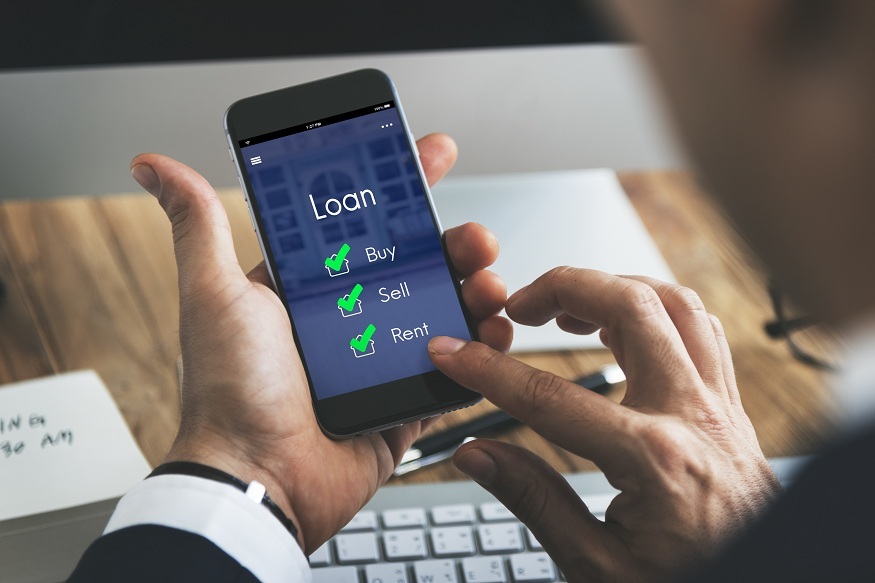
In the modern era, the way you interact with your lender matters just as much as the terms of the agreement. Many people now prefer using a loan app because it offers a seamless way to track payments and manage their accounts. A high quality digital interface should be intuitive and transparent. It should allow you to see your remaining balance, upcoming due dates, and payment history at any time.
Beyond convenience, the security of the digital platform is paramount. You are sharing sensitive personal and financial data, so the platform must have robust encryption and data protection measures. A reliable digital service will also provide clear communication through notifications. This helps you stay on top of your obligations and avoids the risk of missing a payment simply because you forgot the date. If the digital experience feels clunky or confusing, it might be a sign that the lender is not prioritizing the user experience.
Identifying the Best Personal Loan for Your Needs
Finding the best personal loan is not about finding the lowest interest rate in the market. It is about finding the product that fits your specific financial situation. For some, the best option is a loan with the lowest monthly payment, even if it means a longer tenure. For others, it is a loan that allows for quick repayment without heavy penalties. You need to define your priorities before you start comparing offers.
Consider the purpose of the funds. If you are consolidating debt, you need a loan with an interest rate significantly lower than your current credit cards. If you are funding a home renovation, you might need a larger sum with a longer repayment period. The best personal loan for you is one that provides the necessary liquidity without straining your monthly budget. Always compare multiple offers to see which one aligns most closely with your cash flow and long term goals.
Reading the Fine Print on Fees and Penalties
The headline interest rate is often used to attract customers, but the fine print is where the hidden costs live. Processing fees are common and are usually deducted from the loan amount before it reaches your account. This means if you apply for a specific amount, you might receive slightly less than you expected. You should also look for documentation fees, convenience fees, or even insurance premiums that might be bundled with the offer.
Penalties are another area where borrowers can get caught off guard. Late payment fees can be quite high and are often applied the moment a deadline is missed. Some lenders also charge a fee if a payment bounce occurs due to insufficient funds in your bank account. Understanding these potential costs upfront allows you to plan your finances more effectively. It also helps you compare different lenders more accurately, as a low interest loan with high fees might actually be more expensive than a higher interest loan with no fees.
Analyzing the Impact on Your Credit Health
Every time you accept a credit offer, it has an impact on your credit report. Initially, the lender will perform a hard inquiry to check your creditworthiness, which might cause a small, temporary dip in your credit score. However, the long term impact depends entirely on your behavior. Taking on too much debt at once can increase your credit utilization ratio, which might signal to other lenders that you are overextended.
On the positive side, a personal loan can help improve your credit mix. Having a variety of credit types, such as a credit card and a structured installment loan, can be beneficial for your score. The most important factor is your repayment history. Consistent, on time payments are the most effective way to build a strong credit profile. Before accepting an offer, ensure that the monthly installment is an amount you can comfortably afford. A single missed payment can stay on your credit report for years and make it harder to get credit in the future.
Conclusion: Making an Informed Decision
Taking out a loan is a significant commitment that requires careful thought and analysis. It is not just about getting the money you need today; it is about ensuring that you can manage the debt tomorrow. By looking beyond the initial offer and examining the APR, the repayment flexibility, and the digital tools provided, you put yourself in a position of strength.
Read More : Turning to Hard Money When High-Value Debts Are Pressing
Always remember that you have the right to ask questions and seek clarification on any terms that seem confusing. A reputable lender will be transparent about their costs and processes. By doing your due diligence and comparing different options, you can find a financial solution that supports your goals without compromising your financial stability. Taking the time to evaluate these factors ensures that the credit you accept serves as a helpful tool rather than a financial burden.